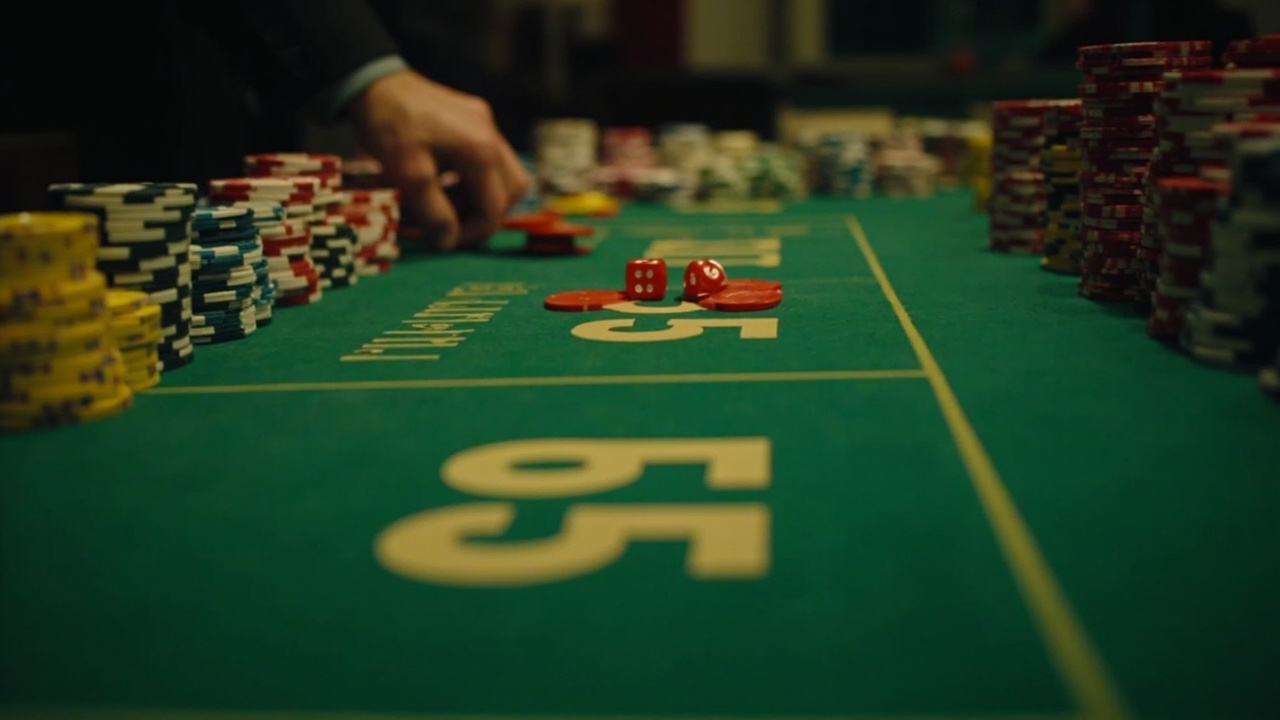
Australians chasing a lucky run at the roulette wheel often fall into the same trap: believing the ball is due for a number it has not yet landed on. That instinct feels natural, especially after a long arvo at an Adelaide pub where the spin cycle never seems to break. I have seen the same pattern play out across LATAM markets, where localisation work taught me that players do not need more hype – they need a clear read on probability before they commit to a spin.
What the Fallacy Actually Does to Your Read on the Table
The gambler’s fallacy is the quiet assumption that past outcomes tilt future ones, even when every pocket on the wheel stays independent. A string of reds does not make black more likely on the next turn, and no provider can engineer a correction to balance the ledger. I have watched acquisition campaigns in Brazil and Mexico lean hard on “hot streak” language, and the lesson was immediate: when you localise messaging that implies the maths bends for the player, engagement spikes briefly but trust erodes faster than the bonus clears. The right framing here is plain – each spin resets on its own terms, and any table that suggests otherwise is selling a narrative, not a mechanism. That distinction matters because players who understand the independence of each event stop reading patterns into noise and start judging the actual conditions around the game. Roulette Wheel Bias Explained for Australian
How Mobile Play Shapes the Way the Trap Takes Hold
On a phone, the fallacy gets a faster hook because the interface compresses everything into a tight feed of results, quick taps, and flashing history panels. A responsive layout that loads cleanly in a browser or app keeps the pace honest, but a sluggish mobile experience with cluttered navigation can make a losing sequence feel like a personal run of bad luck rather than ordinary variance. I have reviewed mobile-first setups across several territories, and the consistent finding is that performance and clear result history matter more than flashy animations when players are trying to stay grounded. A well-built mobile table shows the last outcomes without dramatising them, keeps the betting panel readable on a small screen, and avoids auto-spin defaults that nudge someone deeper into a rhythm they did not choose. When the interface respects the player’s attention, the fallacy still exists, but it is easier to notice before it turns into a costly session. https://elvis-frog-trueways-demo-au.com/
| Feature | What it should do for the player | What to watch for |
|---|---|---|
| Result history panel | Shows recent outcomes plainly, without implying a correction | Over-styled “hot/cold” labels that nudge a false pattern |
| Spin speed controls | Lets the player set pace, including manual only | Auto-play defaults that keep going during a tilt |
| Mobile navigation | Bet limits, chip selection, and table switch stay reachable on a small screen | Menus that hide key controls behind extra taps |
| Load and response | Quick transitions between spins and bet confirmations | Lag or stutter that makes a run feel longer than it is |
Where Bonus Terms and Table Limits Fit Into the Picture
A bonus can feel like a cushion, but it rarely changes the underlying odds, and the terms around wagering often matter more than the headline figure. A roulette gambler’s fallacy explained only goes so far if the player is also working through a playthrough requirement on a bonus that restricts which bets count, or if table limits quietly cap how much someone can test a theory before the session ends. In my experience building acquisition flows that respect regional habits, the strongest offers are the ones that state the currency, the eligible games, and the withdrawal path in plain language rather than burying it behind layered promotions. A player who knows the bonus mechanics, the local currency display, and the registration steps before the first spin is less likely to misread a run as a signal. That is the practical upside: clarity on terms and limits does not improve the wheel, but it does reduce the confusion that feeds the fallacy in the first place.
Keeping the Read Honest When the Session Gets Busy
The zone is the trance-like, dissociative state some pokie players enter, and it can show up at a roulette table too when the spins keep coming and the screen keeps feeding the next bet before the last result has really landed. I have sat in on localisation reviews where the same warning came up in different languages: when the interface removes pauses, players lose the small gaps that help them check whether they are still making a choice or just continuing a pattern. A table that offers clear session tools, readable support options, and a loyalty setup that rewards steady engagement rather than relentless volume gives an Australian player a better chance to step back when the run stops feeling like a run. You can still enjoy the game without pretending the maths is shifting in your favour, and that is the real value of understanding the fallacy before you place the next chip.

There is a quiet moment I always come back to: an Adelaide afternoon where the wheel kept turning and the crowd kept reading meaning into each result, even though the next spin carried no memory of the last. That same scene plays out on a phone screen anywhere, and the only thing that changes is how quickly the next bet appears. If the table is clear, the terms are plain, and the player knows each pocket stands on its own, the fallacy loses its grip long before the session ends.